What Rising Interest Rates Could Mean for Your Mortgage in 2026
25 April 2026
Let’s be real for a second: if you’ve been scrolling through real-estate headlines lately, you’ve probably felt that little knot in your stomach. The words “rising interest rates” are getting thrown around like confetti at a parade, and 2026 is suddenly feeling like a big question mark. But here’s the thing—I’m not here to scare you. I’m here to walk you through it, coffee in hand, and break down what this actually means for your mortgage. Because, let’s face it, nobody wants to feel like they’re reading a financial textbook written in ancient Greek.
So, take a deep breath. We’re going to unpack the numbers, the emotions, and the strategies together. By the time you finish this article, you’ll not only understand the “what” and “why” of rising rates in 2026, but you’ll also have a game plan. Ready? Let’s dive in.
The Big Picture: Why Are Interest Rates Even Rising in 2026?
First, let’s set the stage. Interest rates don’t just float up because the Federal Reserve woke up in a bad mood. They’re tied to inflation, economic growth, and a whole lot of chess moves by policymakers. In 2026, the expectation is that the economy might still be cooling off from the post-pandemic boom, but inflation—that stubborn gremlin—could linger. Think of it like this: the economy is a car, and the Fed is the driver. When the car is going too fast (high inflation), the driver taps the brakes by raising rates. That’s exactly what’s happening now.But here’s where it gets personal. When the Fed raises the federal funds rate, it doesn’t just affect banks. It trickles down to your mortgage, your credit cards, and even your car loan. For homeowners and buyers in 2026, this means one thing: borrowing money is about to get more expensive. And if you’re in the market for a new home or refinancing, you’re probably wondering, “How much more am I going to pay?”
How Rising Rates Hit Your Monthly Mortgage Payment
Let’s get into the nitty-gritty, but I promise to keep it simple. Imagine your mortgage is a pizza. The interest rate is the price of the cheese. If the cheese gets more expensive, your pizza costs more, even if the size stays the same. In 2026, if rates rise by just one percentage point—say, from 6% to 7%—on a $350,000 loan, your monthly payment could jump by roughly $200 to $250. That’s not pocket change; that’s a car payment or a nice grocery run.But wait, there’s more. If you’re buying a home, that higher payment might push you out of your dream neighborhood or force you to settle for a fixer-upper. And if you’re already a homeowner with an adjustable-rate mortgage (ARM), brace yourself. Those rates can reset, and a 1% hike could mean an extra $300 a month. Ouch.
Fixed vs. Adjustable: Which Mortgage Survives 2026?
This is where the rubber meets the road. If you’re shopping for a mortgage in 2026, you’ve got two main flavors: fixed-rate and adjustable-rate. Here’s the deal:- Fixed-Rate Mortgages (FRMs): These are the steady-Eddies of the mortgage world. You lock in a rate for 15, 20, or 30 years. If rates rise in 2026, your payment stays the same. It’s like having a rent-controlled apartment in a city where rents are skyrocketing. The downside? You might pay a slightly higher rate upfront if the market is already high. But the peace of mind? Priceless.
- Adjustable-Rate Mortgages (ARMs): These are the wild cards. They start low—temptingly low—but after a fixed period (say, 5 or 7 years), the rate adjusts based on market conditions. In 2026, if rates are climbing, your ARM could turn into a financial grenade. Sure, you might save money in the short term, but if you’re not planning to sell or refinance before the adjustment, you could get blindsided.
My advice? If you’re planning to stay in your home for more than five years, go fixed. Don’t gamble with an ARM unless you’ve got a crystal ball.
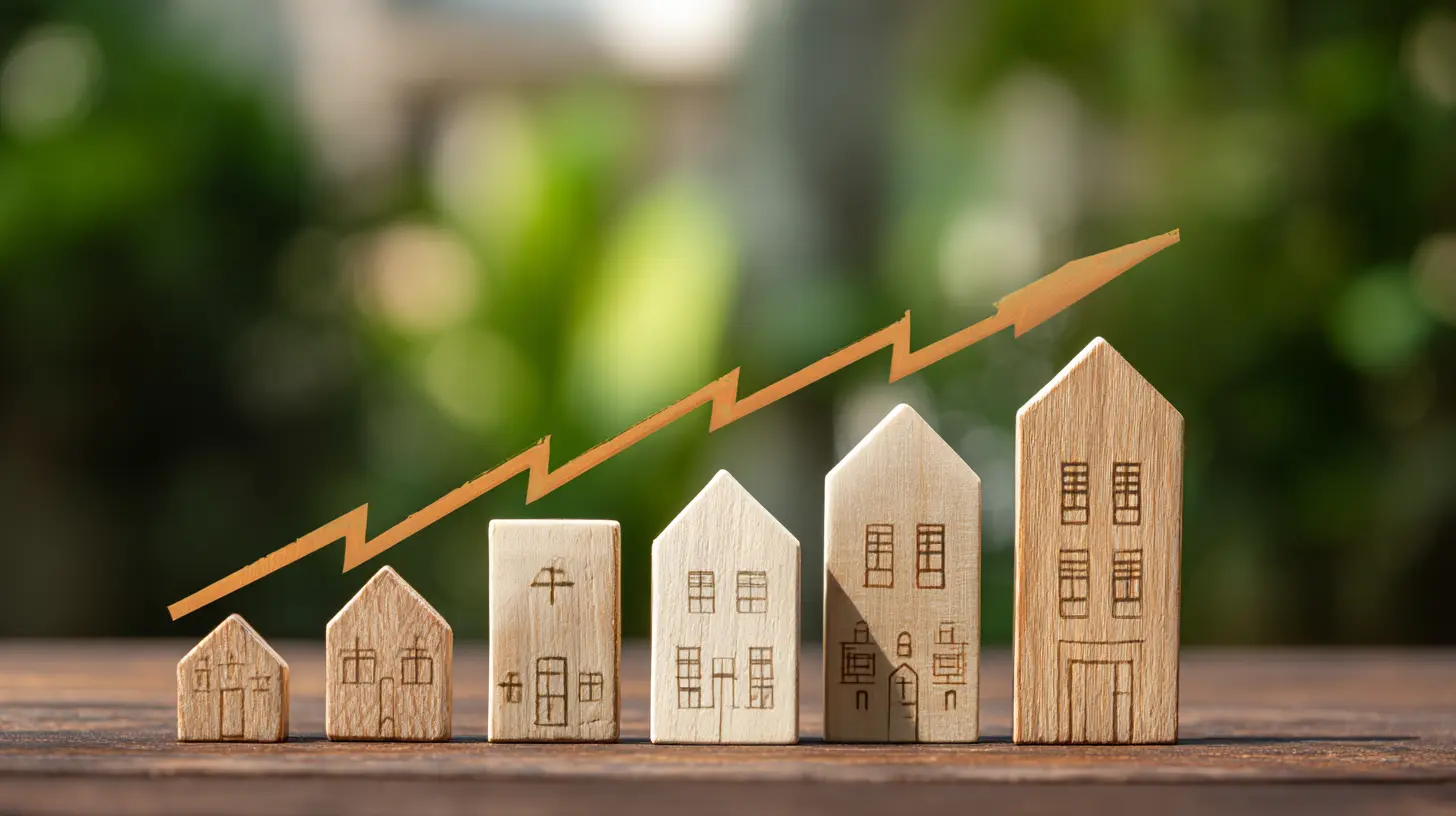
The Refinancing Dilemma: Should You Wait or Jump?
Here’s a question I hear all the time: “I bought my home in 2021 at 3%. Should I refinance in 2026?” Short answer? Probably not. Refinancing is like trying to trade in a winning lottery ticket for a scratch-off. If rates are higher in 2026—and they likely will be—you’d be swapping a low rate for a higher one. That’s a losing move.But don’t despair. If you have a higher-rate mortgage from 2023 or 2024, and rates dip temporarily in 2026 (which could happen if the economy slows), refinancing might be worth it. The golden rule is simple: only refinance if you can lower your rate by at least 0.75% to 1% and plan to stay in the home long enough to recoup closing costs. Otherwise, let that mortgage be.
Buying a Home in 2026: How to Stay Sane (and Solvent)
If you’re a first-time buyer in 2026, I feel you. The dream of homeownership can feel like chasing a mirage when rates are climbing. But here’s the truth: rising rates don’t mean you’re priced out forever. They just mean you need to be smarter.Adjust Your Budget (Without Sacrificing Your Soul)
First, run the numbers. Use an online mortgage calculator to see what a 7% or 8% rate does to your monthly payment. Then, get real about what you can afford. Maybe that means buying a smaller home, looking in a different neighborhood, or even considering a fixer-upper. Remember, you can always upgrade later. A starter home is still a home.Lock in Your Rate Early
When you find a lender, ask about a rate lock. This freezes your interest rate for 30 to 60 days while you close. In a rising rate environment, this is your best friend. It’s like buying a plane ticket before prices go up. Just make sure you understand the terms—some locks come with fees.Boost Your Credit Score
This one’s non-negotiable. A higher credit score can shave points off your rate. In 2026, every decimal point matters. Pay down credit cards, avoid new loans, and check your credit report for errors. A 760+ score could save you thousands over the life of your loan.
The Ripple Effect: How Rising Rates Impact Home Prices
Here’s a twist you might not expect: rising interest rates often cool down home prices. Think of it like a seesaw. When rates go up, buying power goes down. Fewer buyers can afford homes, so sellers have to lower their asking prices. In 2026, we might see a market that’s less “frenzied” and more “reasonable.” That’s good news if you’re a buyer.But if you’re a seller, you might need to adjust your expectations. Gone are the days of listing a fixer-upper for $50,000 over market value and getting 20 offers. In a higher-rate environment, buyers are pickier. They want move-in ready homes at fair prices. So, if you’re selling, focus on curb appeal, staging, and pricing realistically.
The Emotional Side: Don’t Let Rates Steal Your Sleep
I know, I know—numbers are scary. But here’s a little secret: your mortgage is just a tool. It’s not a life sentence. If you’re feeling anxious about 2026, remind yourself of this: homeownership is a long game. Rates will fluctuate. They always have. In the 1980s, mortgage rates hit 18%. People still bought homes. They still built lives.The key is to focus on what you can control: your budget, your credit, and your timeline. If you’re not ready to buy in 2026, that’s okay. Rent, save, and wait for a better opportunity. The market will turn. It always does.
Strategies to Outsmart Rising Rates in 2026
Alright, let’s get tactical. Here are some actionable moves you can make right now:1. Consider an Assumable Mortgage
This is a hidden gem. Some government-backed loans (like FHA and VA) are assumable. That means if you buy a home from someone who locked in a low rate, you can take over their mortgage. In 2026, this could be a goldmine. Look for sellers with assumable loans and sweeten your offer.2. Buy Down Your Rate
You can pay points upfront to lower your interest rate. One point typically costs 1% of the loan amount and reduces your rate by about 0.25%. In a rising rate market, this can save you thousands over time. Just make sure you plan to stay in the home long enough to break even.3. Go for a 15-Year Mortgage
If you can swing a higher monthly payment, a 15-year mortgage often comes with a lower rate. Plus, you’ll own your home free and clear in half the time. In 2026, this could be a smart way to sidestep the rate hike.4. Negotiate Seller Concessions
When rates are high, sellers are more motivated. Ask them to cover closing costs or buy down your rate. It’s not a handout—it’s a negotiation. In a slower market, they might say yes.The Bottom Line: You’ve Got This
Look, I won’t sugarcoat it: rising interest rates in 2026 will make homeownership more challenging. But challenging isn’t impossible. It just means you need to be prepared, patient, and proactive. Whether you’re buying, selling, or refinancing, the key is to stay informed and flexible.Remember, your home is more than a mortgage. It’s where you laugh, cry, and make memories. Don’t let a number on a screen define your happiness. Take a deep breath, talk to a lender, and make a plan that works for you. And if you ever feel lost, come back to this article. I’ll be here, coffee in hand, ready to help.
all images in this post were generated using AI tools
Category:
Financial PlanningAuthor:

Lydia Hodge
Discussion
rate this article
2 comments
Sera McAndrews
Great article! Navigating rising interest rates can be challenging, but understanding their implications helps you make informed decisions. Stay proactive, plan wisely, and remember that opportunities often arise in changing markets!
April 29, 2026 at 10:43 AM
Lydia Hodge
Thanks for the feedback! You're right, staying informed and proactive is key in these times. Glad you found the article helpful!
Galina Huffman
Rising rates might increase mortgage costs, impacting home affordability in 2026.
April 26, 2026 at 10:33 AM
Lydia Hodge
You're right, higher rates could make mortgages more expensive, which might push home prices out of reach for many buyers in 2026.