Home Automation: How It Enhances Eco-Friendly Living
9 March 2026
Technology has revolutionized the way we live, and home automation is at the forefront of that transformation. But did you know that beyond convenience and luxury, home automation plays a significant role in creating a more eco-friendly lifestyle? Imagine controlling your home's energy usage with just a tap on your smartphone or having your lights automatically adjust based on natural sunlight. Sounds futuristic, right? Well, the future is now!
In this article, we'll dive deep into how smart home technology can reduce your carbon footprint while making life more efficient and enjoyable.
What Is Home Automation?
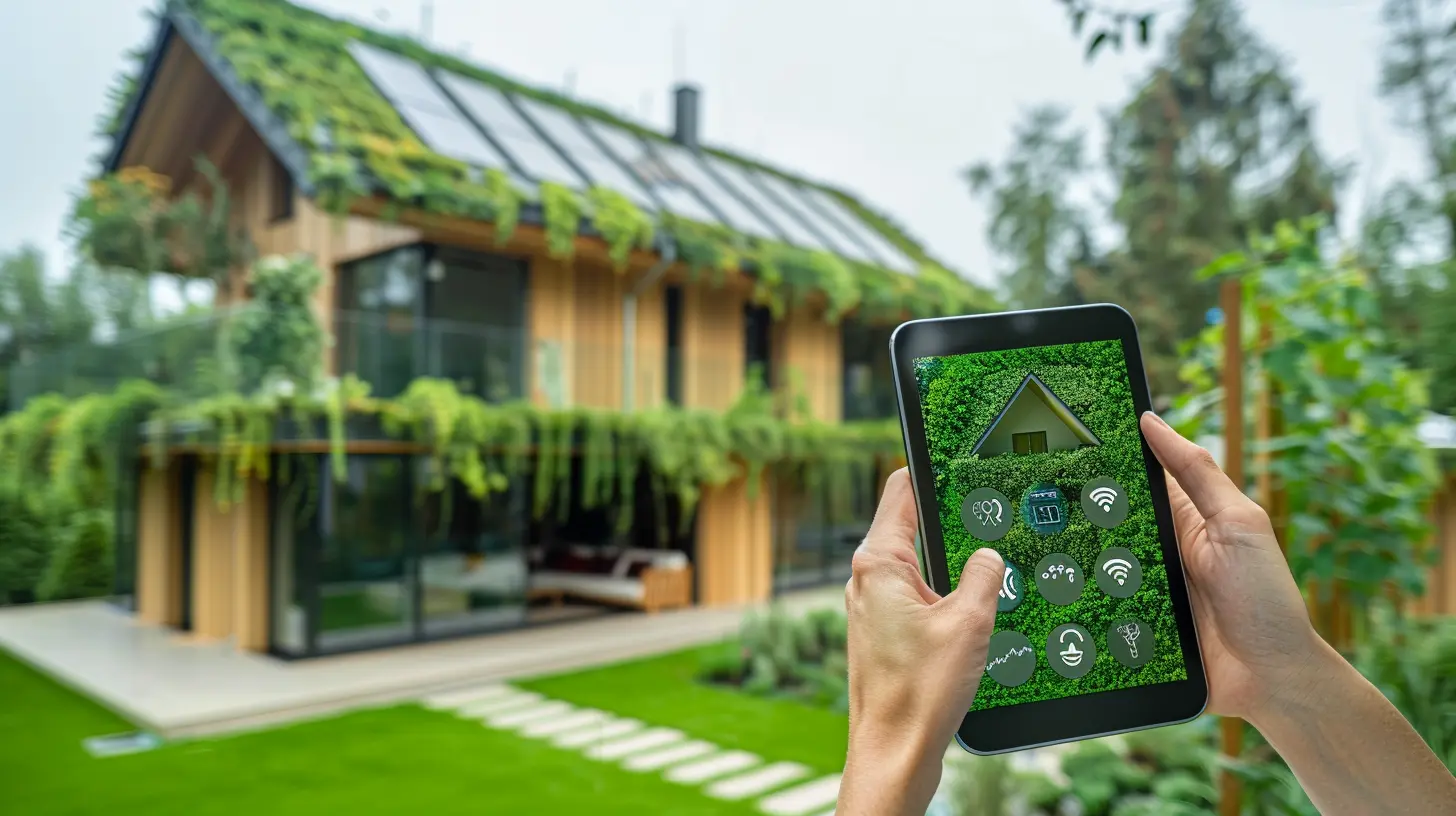
Home automation refers to a system of interconnected devices that allow homeowners to control various functions like lighting, heating, cooling, and security remotely or through automated settings. These smart systems are designed to enhance convenience, security, and energy efficiency.But how exactly does it support eco-friendly living? Let's break it down. 
Energy Efficiency: The Heart of Eco-Friendly Smart Homes
One of the biggest advantages of home automation is energy conservation. With the right setup, smart homes can drastically reduce wasted energy.1. Smart Thermostats: Keeping Things Just Right
Ever left the house and realized hours later that your heater or air conditioner was running full blast? A smart thermostat eliminates this problem.- These devices learn your daily habits and adjust temperatures accordingly.
- They can automatically reduce energy use when you're away.
- Remote control via smartphone helps optimize efficiency.
According to studies, smart thermostats can save homeowners 10-15% on heating and cooling costs. That’s a big win for both your wallet and the environment!
2. Smart Lighting: Bright Ideas for Sustainability
Lighting consumes a significant chunk of household energy, but smart lighting solutions help cut down on waste.- Motion sensors ensure lights turn off in unoccupied rooms.
- Dimmable LED smart bulbs use less power than traditional alternatives.
- Scheduling lights to align with your daily routine prevents unnecessary energy consumption.
A simple switch to smart lighting could cut electricity usage by 20-30%, which adds up over time. 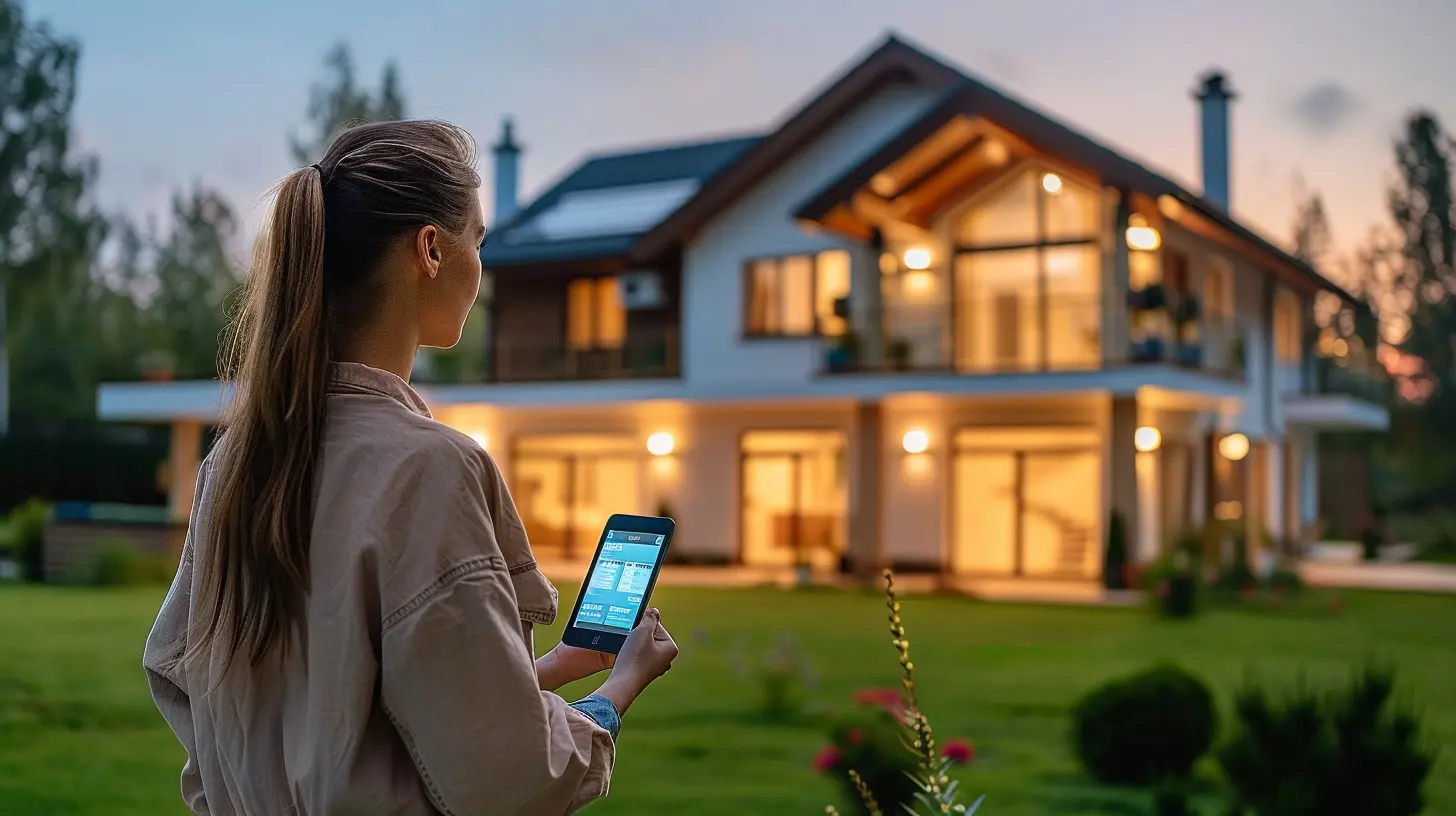
Water Conservation With Home Automation
Water scarcity is a growing concern, and automation can help minimize waste. From smart irrigation systems to water-saving appliances, technology is making water conservation a breeze.3. Smart Irrigation Systems: Only Water When Needed
Traditional lawn watering systems often run on fixed schedules—whether the ground is dry or soaked. A smart irrigation system changes that.- These devices use weather data and soil moisture sensors to water only when necessary.
- They prevent overwatering, saving thousands of gallons per year.
By switching to a smart irrigation system, homeowners can reduce 30-50% of outdoor water usage. That’s great for the planet and your water bill!
4. Water-Saving Smart Appliances
High-tech dishwashers, washing machines, and faucets are now designed to optimize water usage.- Smart dishwashers detect the level of dirt and adjust water usage accordingly.
- High-efficiency washing machines use minimal water while maximizing performance.
- Motion-activated faucets prevent unnecessary water wastage.
With these innovations, households can save thousands of gallons of water annually without compromising efficiency. 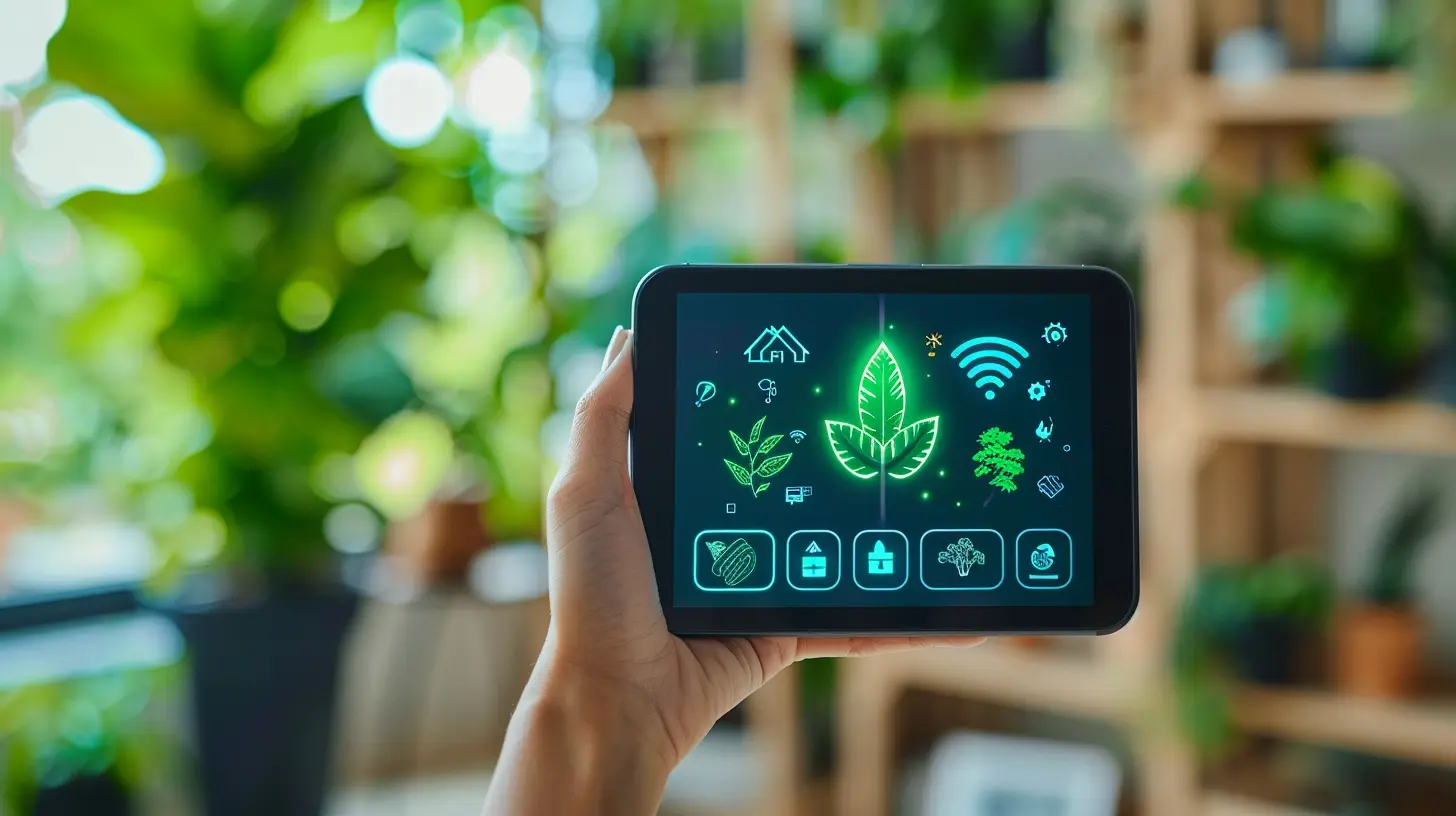
Smart Home Security: Eco-Friendly and Safe
Home security isn’t just about preventing break-ins; it also contributes to a greener lifestyle.5. Smart Locks & Entry Systems
Ever accidentally left your door unlocked and had to drive back home just to check? A smart lock eliminates that hassle.- Remote access prevents unnecessary trips, reducing fuel consumption.
- These locks integrate with other systems (e.g., turning off unnecessary lights when everyone leaves).
6. Smart Power Strips: Killing Energy Vampires
Many electronics continue drawing power even when turned off. These “energy vampires” can add 10% or more to your electricity bill!Smart power strips automatically shut off power to devices when they're not in use, ensuring no excess energy is wasted.
Solar Integration & Renewable Energy Efficiency
Home automation pairs beautifully with solar panels and other renewable energy sources.7. Optimizing Solar Power Usage
- Smart energy management systems track solar production and usage to optimize efficiency.- Homeowners can direct surplus energy towards high-usage devices or store it in a battery for later use.
By using automation with solar energy, homeowners maximize self-sufficiency while reducing reliance on fossil fuels.
The Financial Benefits of an Eco-Friendly Smart Home
Going green isn’t just good for the planet—it’s fantastic for your finances too!8. Lower Utility Bills
Every energy-efficient device you incorporate in your home leads to savings. Over time, the cost of automation pays for itself through reduced electricity and water bills.9. Increased Property Value
Homes equipped with smart and eco-friendly technology attract more buyers and often sell at a premium. As sustainability becomes a priority for homeowners, properties with energy-efficient systems gain a competitive edge in the real estate market.Overcoming Common Concerns About Home Automation
While smart homes offer undeniable benefits, some people hesitate to embrace the technology. Let’s tackle the most common concerns:Is Home Automation Expensive?
Initially, smart home devices may require an investment, but the long-term savings on energy bills make up for the upfront cost. Plus, many smart home devices are now more affordable than ever.Is It Complicated to Use?
Not at all! Most smart home systems are designed for user-friendliness and can be controlled via simple smartphone apps or voice assistants like Alexa and Google Assistant.What About Privacy and Security?
Smart home security systems have advanced encryption and authentication features to keep your data safe. Just ensure you set up strong passwords and update software regularly.Final Thoughts
Home automation is more than just a technological trend—it’s a powerful tool for sustainable living. From reducing energy consumption to optimizing water usage, smart homes help homeowners embrace an eco-friendly lifestyle without compromising comfort or convenience.By adopting smart home technology, you not only contribute to a healthier planet but also enjoy financial savings and a more streamlined way of living. So why not take the first step toward a greener future today?
all images in this post were generated using AI tools
Category:
Green HomesAuthor:

Lydia Hodge
Discussion
rate this article
2 comments
Joel McCray
Home automation significantly boosts eco-friendly living by optimizing energy use through smart thermostats, automated lighting, and efficient appliances. These technologies reduce waste and lower utility bills, making sustainable living more accessible and convenient for homeowners. Embrace the future!
March 15, 2026 at 9:42 PM
Lydia Hodge
Thank you for your insights! Home automation indeed plays a crucial role in promoting sustainable living and making energy efficiency more achievable for all.
Eliza Daniels
Smart homes: sustainability meets modern living!
March 11, 2026 at 4:24 AM
Lydia Hodge
Absolutely! Smart home technology not only enhances convenience but also promotes sustainable living by optimizing energy use and reducing waste.