Green Homes and Local Communities: Building Sustainable Neighborhoods
17 February 2026
In a world where climate change and environmental concerns are at the forefront of global discussions, the way we design our homes and communities has never been more critical. But what if the solution to a greener future lies right outside our doorstep? What if the answer isn't just in massive policy changes but in the neighborhoods we live in?
Imagine a place where homes generate as much energy as they consume, where families grow their own food, and where streets are lined with trees instead of endless traffic. Sounds like a utopia, right? But here’s the thing—it’s not a far-fetched dream. The movement towards green homes and sustainable communities is happening now, and it’s transforming the way we live.
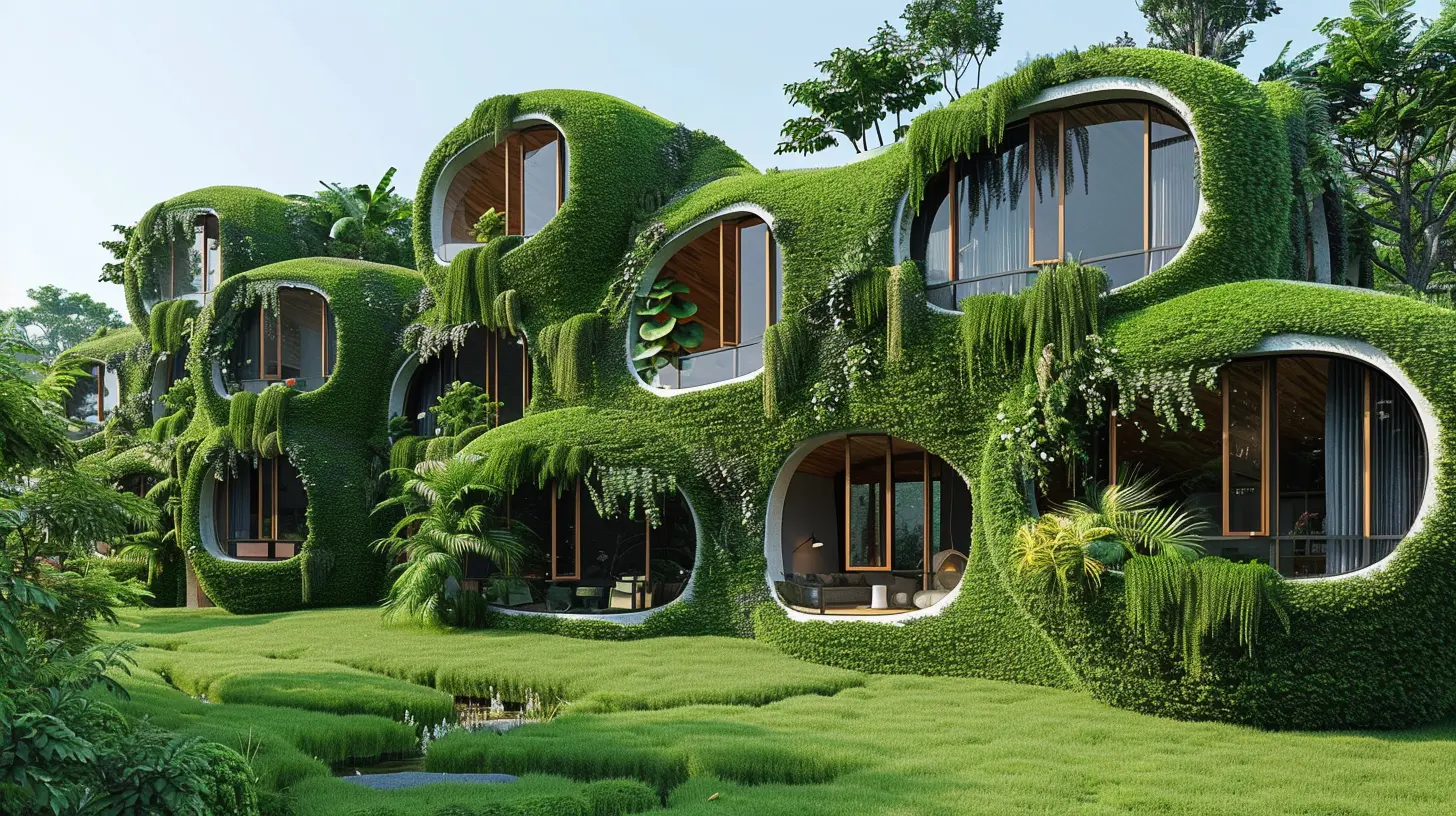
The Rise of Green Homes 🏡
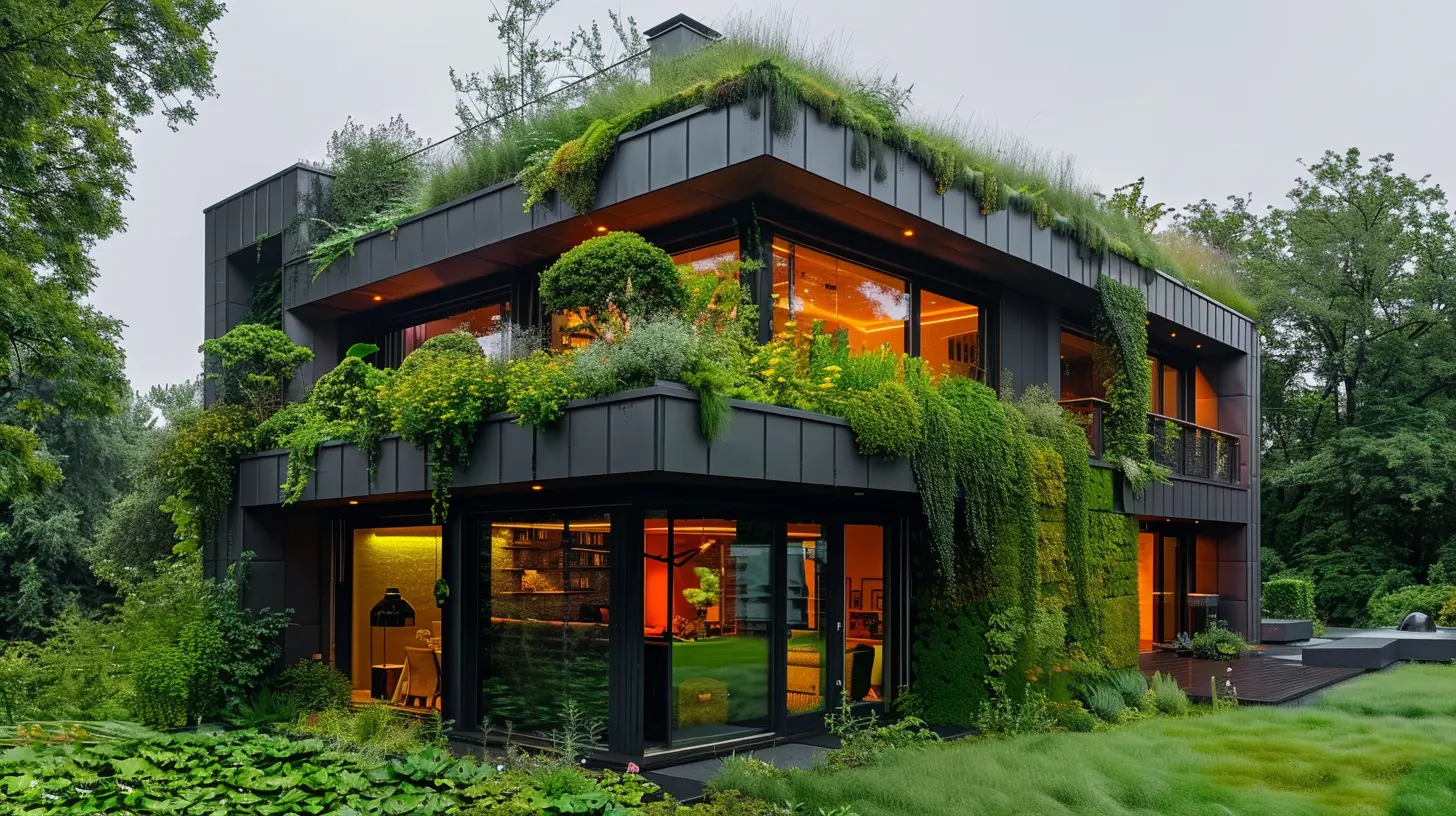
The traditional housing model is starting to feel outdated. High energy consumption, reliance on fossil fuels, and wasteful materials are slowly being phased out, making room for eco-friendly, energy-efficient green homes. These homes are designed to reduce the carbon footprint, minimize waste, and create a healthier living environment.1. What Makes a Home "Green"?
A green home isn’t just about throwing some solar panels on the roof and calling it a day. It’s a carefully planned and constructed space that prioritizes:- Energy efficiency (solar panels, smart thermostats, LED lighting)
- Sustainable materials (recycled wood, bamboo flooring, non-toxic paints)
- Water conservation (rainwater harvesting, low-flow fixtures)
- Indoor air quality (better ventilation, fewer chemicals in building materials)
Every little detail adds up to create a home that not only benefits the environment but also saves homeowners money in the long run.
2. The Financial Perks of Green Living
Let’s be honest—most people won’t switch to green homes just because they love the environment. But what if going green also meant saving big on bills?- Solar panels? They slash electricity costs.
- Smart insulation? Keeps your home cool in summer and warm in winter, cutting heating and cooling expenses.
- Water-efficient fixtures? Lower water bills.
While the initial investment might be slightly higher, the long-term savings on energy and utility bills make up for it. It's like paying a little more for a fuel-efficient car—you spend less on gas in the long run.
Sustainable Neighborhoods: More Than Just Green Homes 🌱
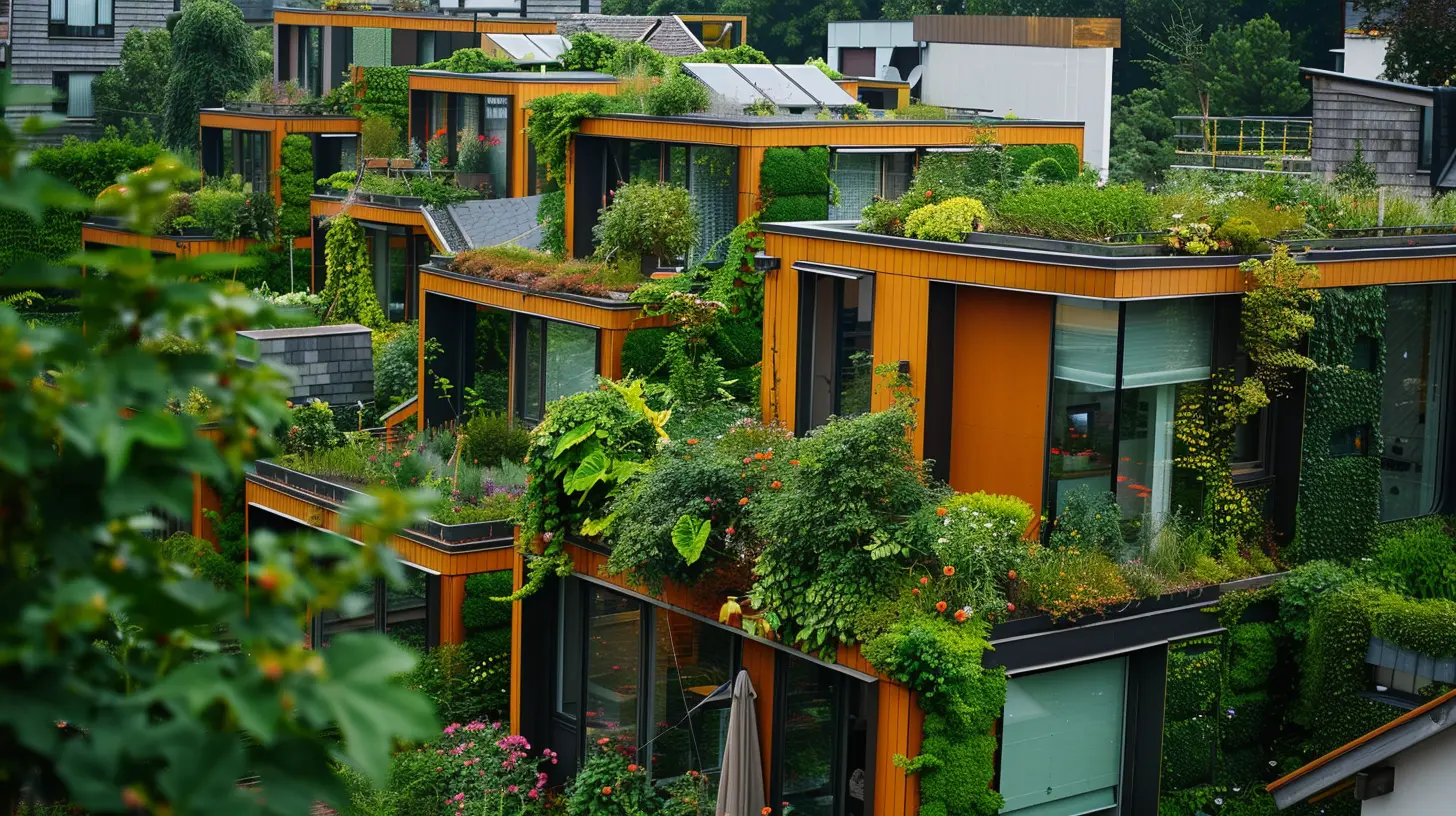
While having an eco-friendly house is great, imagine an entire neighborhood designed with sustainability in mind! Green homes are just one piece of the puzzle—sustainable communities take things to the next level by incorporating shared resources, better infrastructure, and eco-conscious planning.1. Walkable and Bike-Friendly Streets 🚲
Think about your daily routine—how many short trips do you take in your car? Would you ditch the vehicle if your neighborhood was designed for biking or walking instead?Sustainable communities prioritize walkability, meaning:
- Shops, schools, and workplaces are within walking distance.
- Bike lanes make cycling safe and convenient.
- Public transportation is efficient and accessible.
Not only does this reduce reliance on cars (hello, lower carbon emissions!), but it also promotes a healthier lifestyle.
2. Community Gardens and Urban Farms 🌾
Imagine stepping outside your home and picking fresh herbs, vegetables, or fruits from a community garden. Sustainable neighborhoods are all about locally grown produce, reducing the need to rely on food that’s been shipped thousands of miles.- Community gardens encourage people to grow their own food.
- Urban farms help reduce food deserts in cities.
- Locally sourced produce cuts down on packaging waste and transportation emissions.
Plus, there's something deeply satisfying about harvesting your own tomatoes instead of buying them at the store, right?
3. Renewable Energy on a Community Scale ⚡
We’ve all heard about solar panels on individual homes, but what if entire neighborhoods ran on renewable energy?- Solar farms that power multiple homes.
- Wind turbines generating electricity for multiple households.
- Community-wide battery storage to keep energy circulating efficiently.
By sharing resources, sustainable communities can cut down energy costs and reduce reliance on fossil fuels.
4. Smart Waste Management 🗑️
Ever think about where your trash goes after you toss it in the bin? Sustainable neighborhoods prioritize waste reduction and recycling by:- Encouraging composting programs.
- Implementing strict recycling initiatives.
- Creating systems to reduce landfill waste through responsible consumption.
In some communities, zero-waste neighborhoods are emerging, where nearly everything is reused, repurposed, or recycled. It’s the ultimate way to give back to the planet.
The Social Impact of Sustainable Living 💚
Beyond the environmental and financial benefits, living in a green community cultivates a strong sense of belonging. When people work together to maintain shared gardens, clean energy projects, or conservation efforts, they naturally build stronger relationships with their neighbors.- More social interaction: Community spaces encourage people to connect.
- A sense of responsibility: People take pride in their eco-friendly efforts.
- Safer environments: Green neighborhoods often promote safety and well-being.
A greener community isn’t just good for the planet—it’s good for the people living in it.
The Future of Green Living 🌍
The shift towards sustainable neighborhoods is more than just a trend—it’s a necessity. With rising energy costs, climate challenges, and a growing demand for healthier lifestyles, eco-friendly communities are the future of real estate.So, what does that mean for homebuyers and developers?
- Homebuyers: If you're in the market for a new home, choosing a green home in a sustainable community is a smart investment. Not only will it save you money, but it will also improve your quality of life.
- Developers & Builders: The demand for green homes is skyrocketing. Sustainable neighborhoods are likely to increase in value, making them a profitable, long-term investment.
The concept of sustainable living isn’t just about cutting carbon emissions—it’s about creating a better way of life. One that’s healthier, more affordable, and deeply connected to the environment.
Are We Ready to Build a Greener Future?
The movement towards green homes and sustainable neighborhoods isn’t slowing down. The real question is, are we ready to embrace it?Imagine a future where every home contributes to the well-being of both its residents and the planet. A future where neighborhoods are more than just places to live—they are thriving ecosystems of sustainability and community.
Green living isn’t a luxury; it’s a necessity. And the good news? It’s happening right now, one home, one street, and one neighborhood at a time.
all images in this post were generated using AI tools
Category:
Green HomesAuthor:

Lydia Hodge
Discussion
rate this article
2 comments
Cecilia Barnes
Emphasizing green homes fosters community bonds, enhances local ecosystems, and promotes sustainable living—essential for future generations to thrive in harmonious, resilient neighborhoods.
February 20, 2026 at 12:31 PM
Lydia Hodge
Thank you for highlighting the crucial role of green homes in strengthening community ties and promoting sustainability. Together, we can create resilient neighborhoods for future generations.
Luella McGinn
Embracing green homes is essential for sustainable communities. By prioritizing eco-friendly designs and practices, we can enhance local quality of life, reduce our environmental impact, and foster a sense of belonging. Let's lead the way!
February 17, 2026 at 5:51 AM
Lydia Hodge
Thank you for your insightful comment! I completely agree that green homes play a vital role in creating sustainable communities and improving our quality of life. Let's keep advocating for eco-friendly practices!