Are Luxury Properties Losing Steam or Gaining Strength by 2027?
27 September 2026
The luxury real estate market has always moved to its own rhythm. While the broader housing market reacts to mortgage rates, job reports, and consumer confidence surveys, the top tier of property tends to march to a different beat. Buyers in this segment often pay cash, hold assets across multiple countries, and treat real estate as part of a broader wealth strategy rather than a primary residence decision.
So when someone asks whether luxury properties are losing steam or gaining strength by 2027, the honest answer is: it depends on where you look, what you define as luxury, and how you measure strength. That may sound like a dodge, but it reflects something real. The luxury market is not one market. It is a collection of overlapping markets, each with its own supply constraints, buyer profiles, tax regimes, and cultural attitudes toward owning expensive property.
This article breaks down the forces that will shape luxury real estate between now and 2027. It looks at what is genuinely weakening, what is quietly strengthening, and what buyers, sellers, and investors should realistically expect.
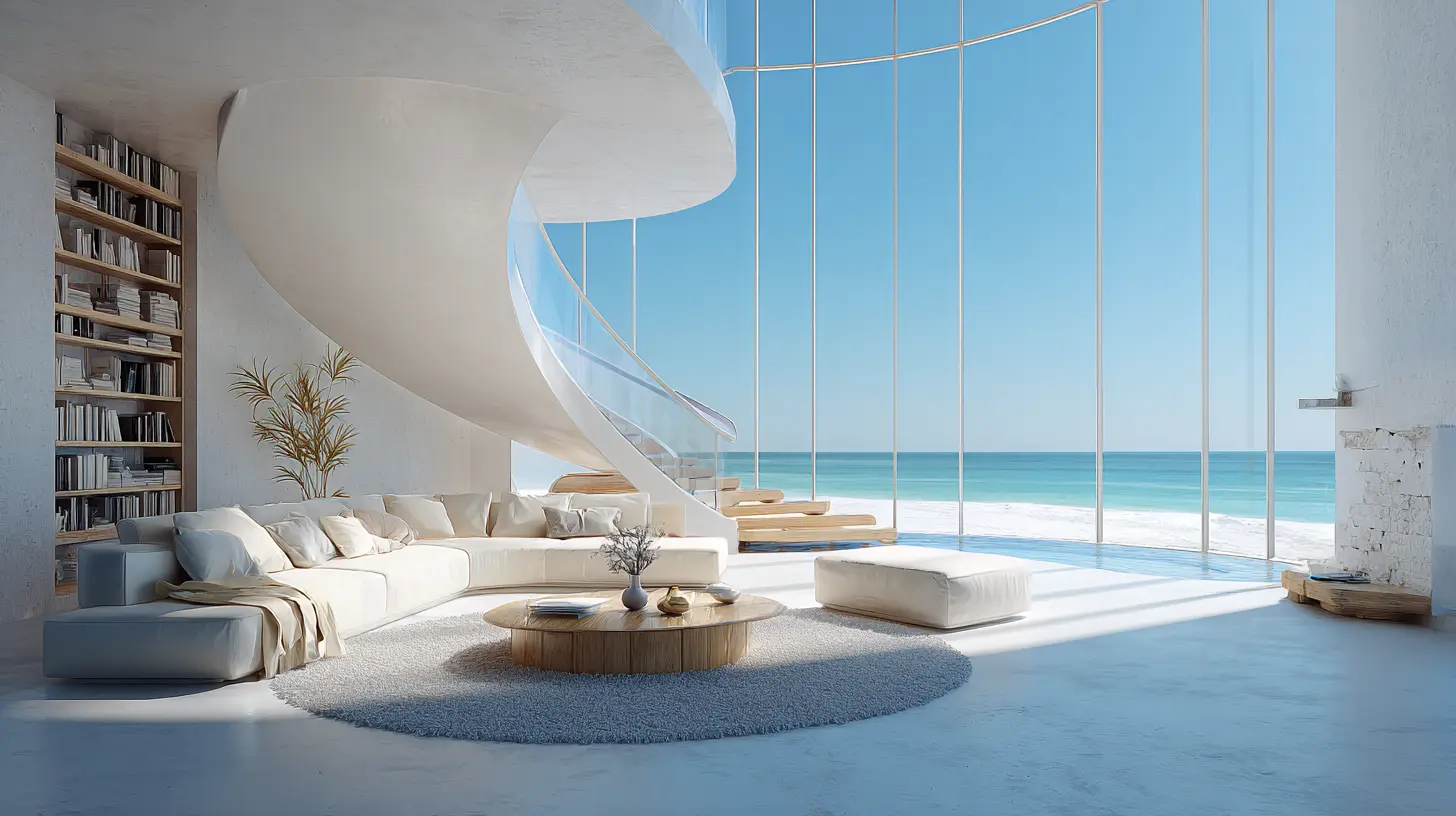
What "Luxury" Actually Means in 2027
Before judging the direction of the market, it helps to define the segment. Luxury real estate is not a single price bracket. It generally falls into three loose tiers:The upper-middle luxury tier. Homes priced roughly between $1 million and $3 million in most major metros. Buyers here often finance part of the purchase, care about school districts, and are sensitive to interest rates.
The high-net-worth tier. Properties between $3 million and $10 million. Many buyers pay cash or use asset-backed lending. Interest rates matter less, but capital gains taxes and wealth taxes matter more.
The ultra-prime tier. Anything above $10 million, especially in global gateway cities like London, New York, Dubai, Singapore, and Hong Kong. These buyers are often international, frequently own multiple homes, and treat property as a store of value as much as a place to live.
Each tier behaves differently. A slowdown in the upper-middle tier does not necessarily signal weakness at the ultra-prime level. In fact, the two often move in opposite directions during periods of economic uncertainty, because wealthy buyers tend to consolidate capital into fewer, safer, higher-quality assets.

The Forces Pushing Luxury Prices Down
Several real pressures are working against luxury real estate heading into 2027. Ignoring them would be dishonest.Higher-for-longer interest rates
Even cash buyers are affected by interest rates, just indirectly. When the cost of capital rises, the opportunity cost of tying money up in a property rises too. A buyer who could earn a solid return on short-term government debt may decide that a low-yielding luxury apartment is less attractive than it was when rates were near zero.This matters most in the upper-middle luxury tier. Financing costs there can add thousands of dollars per month to a mortgage, and that changes what buyers are willing to pay.
Tax pressure on wealthy owners
Across many jurisdictions, governments are looking at wealth taxes, higher property taxes on high-value homes, and stricter rules on foreign ownership. These policies do not kill luxury demand, but they shift where it goes. A buyer choosing between London, Dubai, and Miami will factor in tax treatment heavily. When one city raises its transaction taxes, another benefits.Oversupply in some new-build segments
In a handful of markets, developers overbuilt luxury condos during the boom years. Cities like Miami, Austin, and parts of Dubai have seen waves of new luxury inventory hit the market at once. When supply outpaces demand, even wealthy buyers gain negotiating power, and prices can stall.Shifting preferences among younger wealthy buyers
Some younger high-net-worth buyers are less interested in owning large, high-maintenance properties. They prefer flexibility, shorter holding periods, and experiences over static assets. That does not mean they stop buying real estate, but it does mean the type of property in demand is changing.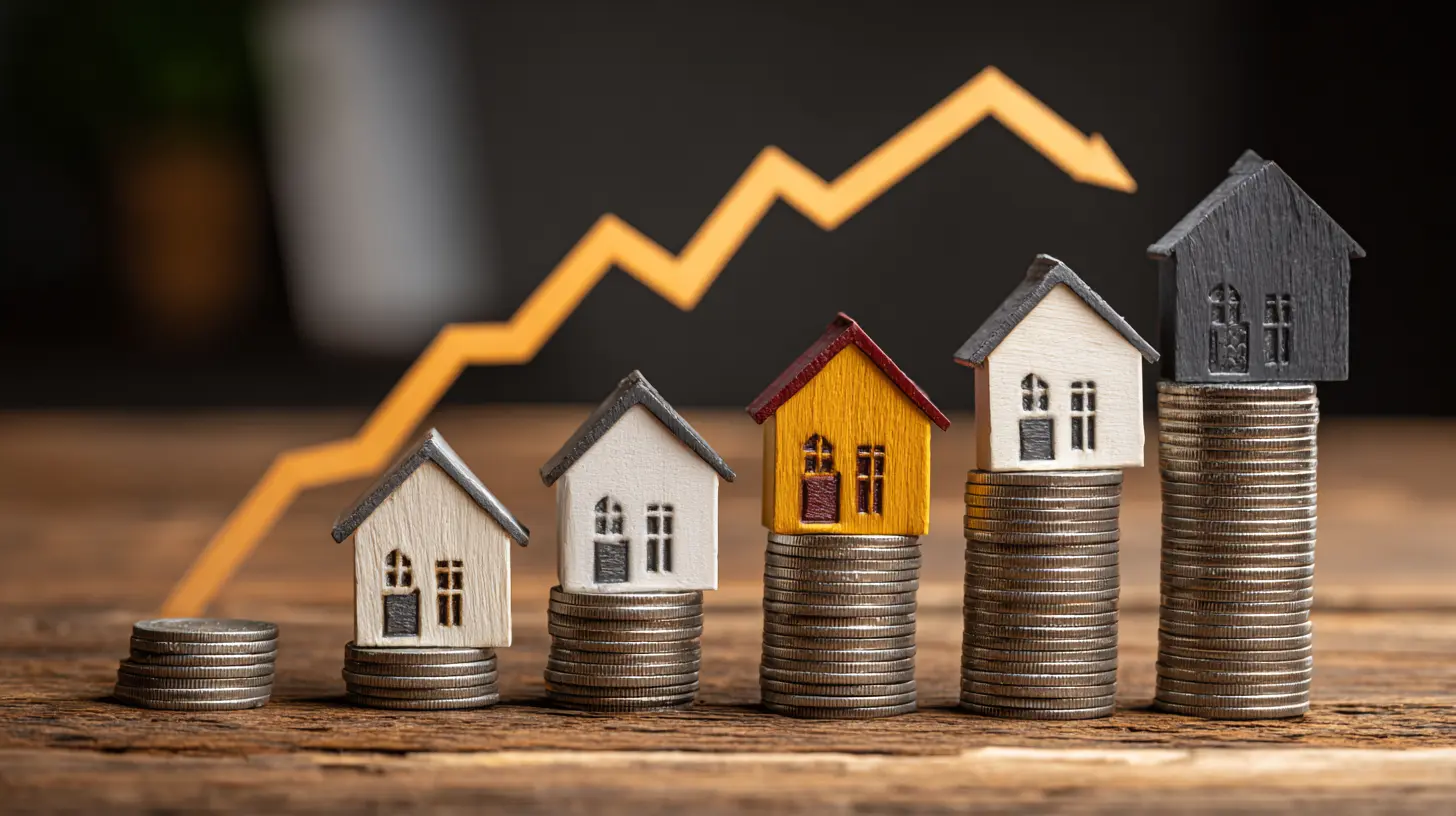
The Forces Pushing Luxury Prices Up
The bullish case for luxury real estate is just as strong, and in many markets, it is winning.Wealth creation continues to concentrate
The number of high-net-worth individuals globally has grown steadily over the past two decades, even through downturns. When wealth concentrates, luxury real estate tends to benefit, because there are simply more buyers competing for a limited supply of prime properties.Prime locations cannot be replicated
You can build new luxury condos in a suburb, but you cannot build more waterfront in Monaco, more historic townhouses in central Paris, or more land in Manhattan. Scarcity is the single most reliable driver of long-term luxury value. This is why prime properties tend to recover faster than the broader market after a downturn.Real estate as an inflation hedge
For many wealthy families, luxury property functions as a hard asset. It stores value, generates rental income in some cases, and provides a physical presence in a desirable city. In periods of currency volatility, that matters.Global mobility of capital
Capital moves faster than people. When one market tightens, money flows to another. Dubai's rise as a luxury hub is a good example. So is the recent strength of markets like Singapore and Milan. The global luxury market is not shrinking. It is redistributing.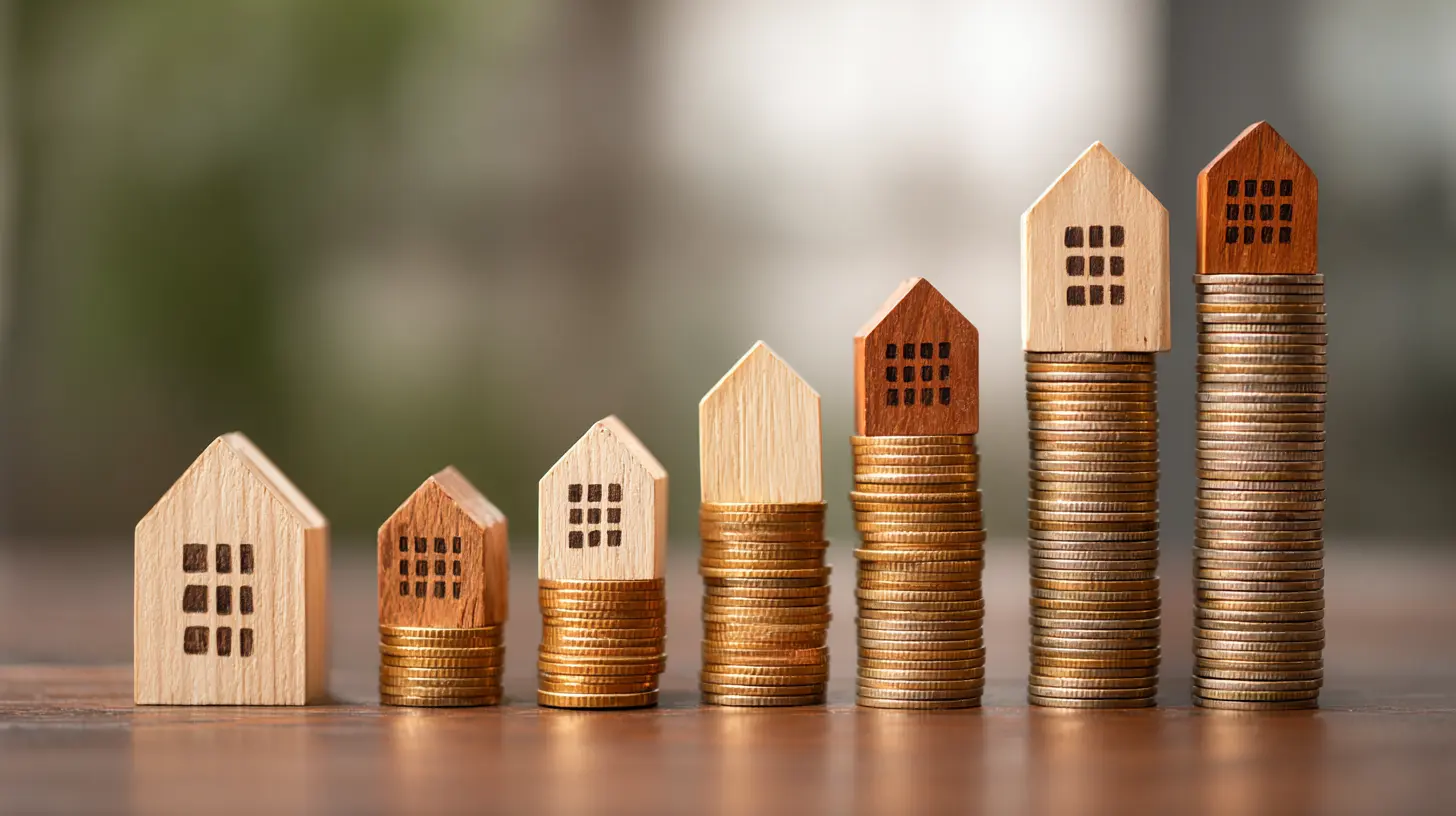
A Region-by-Region Reality Check
No single global answer fits every market. Here is how the picture looks across major regions heading toward 2027.United States
The U.S. luxury market is split. Ultra-prime markets like Manhattan, Aspen, and Palm Beach remain resilient, supported by domestic wealth and limited supply. Secondary luxury markets that boomed during the pandemic, such as Boise, Austin, and parts of Florida, have cooled noticeably. By 2027, expect continued strength at the very top and softer conditions in the mid-luxury tier.Europe
London faces headwinds from transaction taxes and political uncertainty, but prime central London remains a global store of value. Paris and the French Riviera continue to attract international buyers. Milan has quietly become one of Europe's strongest luxury markets. Southern European markets like Portugal and Greece benefit from relatively favorable tax regimes, though those could change.Middle East
Dubai has been the standout performer. Its combination of zero income tax, strong infrastructure, and safety has drawn wealthy buyers from across the world. Whether that pace continues through 2027 depends heavily on global tax policy and how Dubai manages its own supply pipeline.Asia-Pacific
Singapore has tightened rules on foreign buyers, cooling its luxury market somewhat. Hong Kong faces its own challenges. Australia's prime markets, particularly Sydney and Melbourne, remain supported by domestic wealth and immigration. Tokyo is quietly gaining attention as a relatively affordable luxury market by global standards.What Buyers Should Consider Before 2027
If you are considering a luxury purchase in the next two to three years, a few practical principles matter more than market timing.Focus on irreplaceable attributes
A property with a view, a prime location, or architectural significance will hold value better than one that competes only on finishes. Finishes can be replicated. Location and views cannot.Understand the total cost of ownership
Luxury properties carry luxury costs: higher insurance, staff, maintenance, and taxes. In some markets, annual carrying costs can run 2 to 4 percent of the property's value. Buyers who ignore this often find themselves forced to sell at a bad time.Think about exit liquidity
Not every luxury property sells easily. Ultra-specific homes, unusual layouts, or properties in thin markets can sit for years. Before buying, ask yourself who the next buyer would be and how many of them exist.Do not assume tax rules are stable
Tax regimes change. A market that is favorable today may not be in three years. Buyers relying on a specific tax advantage should stress-test their plan against less favorable scenarios.
What Sellers Should Consider
For sellers, the next few years reward realism.Price to the current market, not the 2021 peak
The pandemic-era luxury boom created unrealistic expectations in some sellers' minds. Buyers today are more selective and better informed. Overpricing a luxury property often leads to a longer time on market and a lower final sale price than pricing correctly from the start.Presentation still matters, but substance matters more
Staging and marketing help, but buyers in this segment do deep due diligence. A well-documented property with clear records, inspections, and history will outperform one that relies on aesthetics alone.Consider timing around local tax changes
In some markets, upcoming tax changes create windows of opportunity. Sellers who understand the local policy calendar can often capture better prices by listing before new rules take effect.Common Mistakes in Luxury Real Estate Decisions
A few errors show up again and again, and they cost buyers and sellers real money.- Treating luxury as one market. A slowdown in one city says little about another.
- Assuming cash buyers are immune to rate changes. They are not. Opportunity cost is real.
- Ignoring carrying costs. The purchase price is only part of the story.
- Chasing hot markets late. By the time a market is widely known as hot, much of the upside is priced in.
- Overlooking exit liquidity. A property that is hard to sell is not a great asset, no matter how beautiful it is.
- Betting on tax rules staying the same. They rarely do.
Trade-Offs Buyers Rarely Talk About
Every luxury purchase involves trade-offs. Understanding them upfront prevents regret.Privacy versus community. A gated estate offers privacy but can feel isolating. A prime city apartment offers community but less seclusion.
Brand-new versus historic. New builds offer modern systems and warranties but often lack character and may sit in oversupplied segments. Historic properties offer charm and scarcity but come with maintenance surprises.
Rental yield versus capital preservation. Some luxury properties generate decent rental income. Others are purely capital preservation plays. Mixing up the two leads to disappointment.
Global diversification versus local expertise. Owning in multiple countries spreads risk but complicates management. Many wealthy buyers underestimate how much work cross-border ownership involves.
What Strength Will Actually Look Like by 2027
By 2027, the luxury market will likely look less like a single trend and more like a patchwork.- Ultra-prime properties in irreplaceable locations will likely remain strong or appreciate modestly.
- Mid-luxury properties in oversupplied markets will likely face continued pressure.
- Markets with favorable tax regimes will likely attract disproportionate demand, until policy changes.
- New-build luxury condos in secondary cities may continue to struggle.
- Trophy assets, meaning the rarest and most iconic properties, will likely remain a category of their own.
In other words, luxury real estate is not losing steam overall. It is separating into winners and laggards more sharply than it has in years. The rising tide of the past decade lifted almost everything. The next few years will reward selectivity.
Practical Advice for the Next Three Years
If you are trying to decide how to act between now and 2027, here is a straightforward framework.1. Define your goal clearly. Is this a home, an investment, or a store of value? The answer changes everything.
2. Stress-test the numbers. Include taxes, insurance, maintenance, and a realistic exit scenario.
3. Study the local policy calendar. Tax changes, zoning updates, and foreign buyer rules can shift value quickly.
4. Prioritize scarcity. Buy what cannot be easily replicated.
5. Stay patient. Luxury markets reward buyers who wait for the right asset rather than chasing momentum.
6. Get local expertise. A great agent in one market may be useless in another. Hire people who know the specific neighborhood.
The Bottom Line
Luxury real estate is neither collapsing nor booming in a uniform way. It is maturing. The easy money of the low-rate era is gone, and buyers are more discerning. That is not a bad thing. It means the market is rewarding substance over speculation.By 2027, the strongest luxury properties will likely be those with genuine scarcity, sound ownership economics, and locations that global wealth consistently values. The weakest will be those that relied on hype, cheap credit, or a temporary tax advantage.
For buyers, that means opportunity. For sellers, it means discipline. For everyone, it means the luxury market is becoming what it always should have been: selective, thoughtful, and grounded in real value rather than momentum.
all images in this post were generated using AI tools
Category:
Housing Market TrendsAuthor:

Lydia Hodge